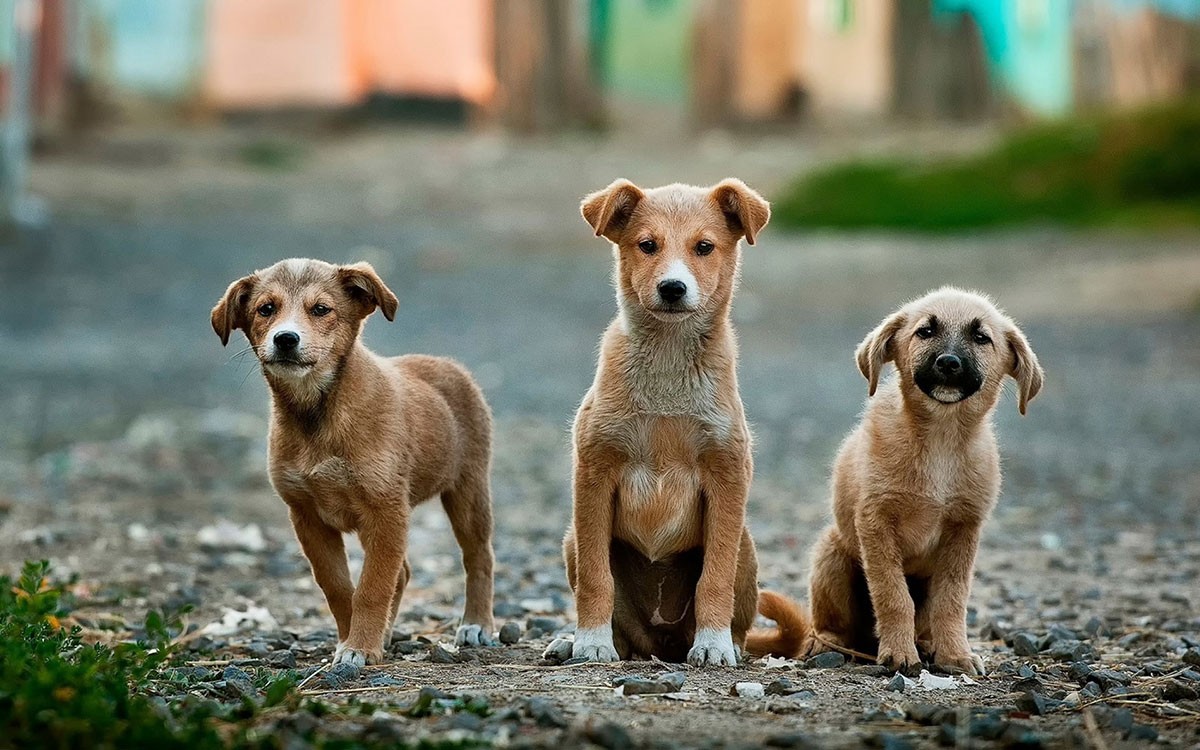
Bringing home a new puppy is exciting, but potty training is often one of the first challenges new pet parents face. The good news is that with consistency, patience, and a structured routine, most puppies can learn proper bathroom habits within a few months. This puppy potty training timeline will help you understand what to expect at each stage of your puppy’s development.
Why Potty Training Takes Time
Every puppy learns at a different pace. Factors such as breed, age, consistency of training, and previous living conditions can affect how quickly a puppy becomes fully house-trained. Younger puppies have smaller bladders and less control, so accidents are normal during the learning process.
Weeks 8–10: The Introduction Phase


At 8 to 10 weeks old, puppies are just beginning to understand where they should eliminate.
What to Expect
- Frequent accidents indoors
- Need for potty breaks every 1–2 hours
- Limited bladder control
- Heavy reliance on supervision
Training Tips
- Take your puppy outside immediately after waking up.
- Schedule potty breaks after meals, playtime, and naps.
- Use a consistent potty spot outdoors.
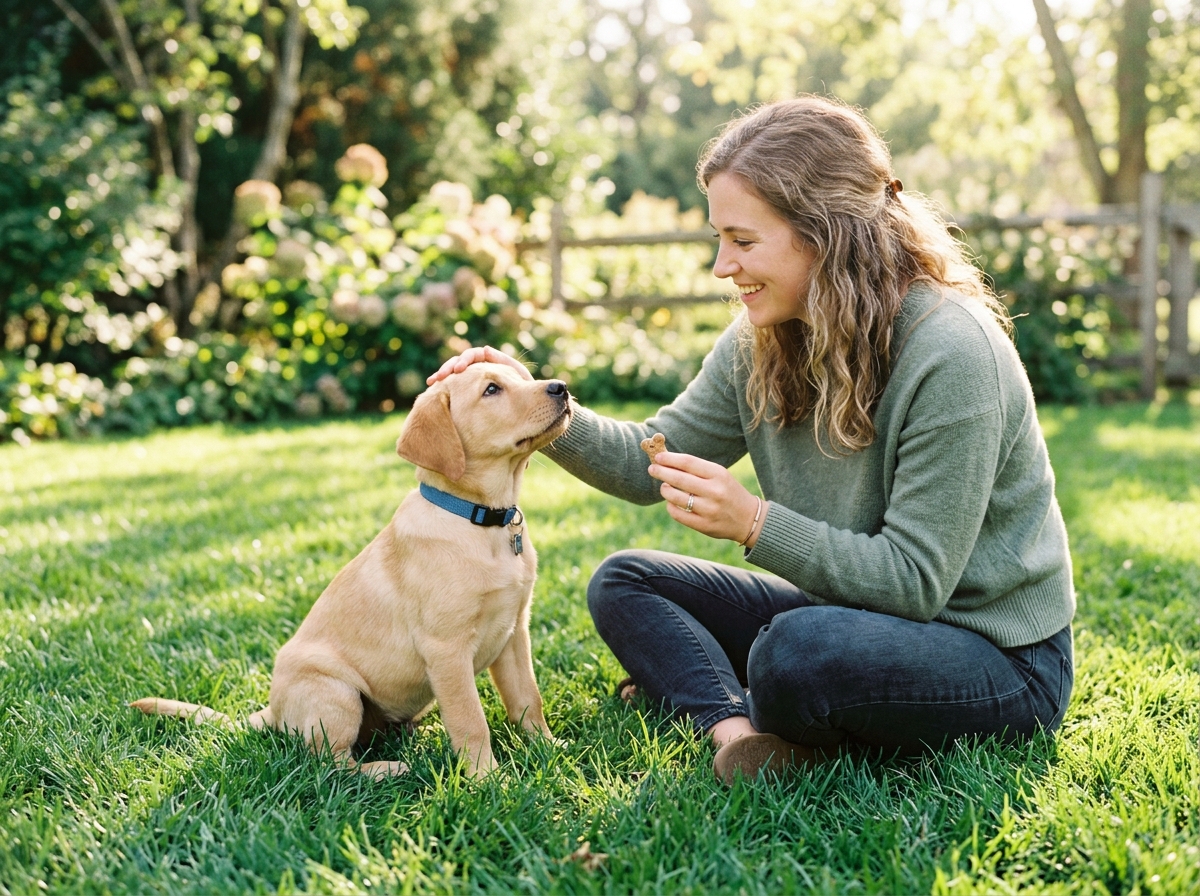
- Reward successful potty trips with treats and praise.
Weeks 10–12: Building Consistency
During this stage, puppies start recognizing routines and associating outdoor trips with bathroom time.
What to Expect
- Fewer accidents than before
- Better understanding of potty cues
- Ability to hold urine slightly longer
Training Tips
- Continue using positive reinforcement.
- Watch for signs such as sniffing, circling, or whining.
- Keep a regular feeding schedule.
- Introduce a cue phrase like “Go potty.”
Months 3–4: Developing Bladder Control
Most puppies show significant improvement between 12 and 16 weeks of age.
What to Expect
- Longer periods between potty breaks
- Increased ability to signal when they need to go outside
- Improved nighttime control
Training Tips
- Begin extending the time between bathroom trips gradually.
- Maintain close supervision indoors.
- Continue rewarding successful outdoor elimination.
- Clean accidents thoroughly to remove odors.
Months 4–6: Strengthening Good Habits


By this age, many puppies have a strong understanding of potty training expectations.
What to Expect
- Occasional accidents rather than frequent ones
- Better ability to hold their bladder during the day
- More reliable communication when they need to go outside
Training Tips
- Continue using rewards for successful potty breaks.
- Encourage your puppy to sit by the door or ring a bell.
- Avoid punishment for accidents.
- Stick to a predictable daily schedule.
Months 6–12: Nearing Full House Training
Most puppies are largely house-trained by six months, although occasional setbacks may occur.
What to Expect
- Rare accidents indoors
- Greater independence
- Longer periods between potty breaks
Training Tips
- Keep reinforcing positive habits.
- Monitor changes in routine that may cause regressions.
- Provide regular exercise and bathroom opportunities.
- Be patient during growth spurts and developmental changes.
When Is a Puppy Fully Potty Trained?
Most puppies are considered fully potty trained between 4 and 6 months of age, although some breeds may take up to a year to become completely reliable. A puppy is generally considered house-trained when they consistently:
- Go to the bathroom outside
- Signal when they need to go
- Stay accident-free for several weeks
Common Potty Training Mistakes to Avoid
1. Inconsistent Schedules
Irregular feeding and potty times can confuse your puppy.
2. Punishing Accidents
Punishment may create fear and slow progress.
3. Not Supervising Closely
Puppies often have accidents when left unattended.
4. Expecting Too Much Too Soon
Young puppies simply lack the physical ability to hold their bladder for long periods.
5. Skipping Rewards
Positive reinforcement helps puppies learn much faster.
Sample Daily Potty Schedule
| Time | Activity |
|---|---|
| 7:00 AM | Wake up and potty break |
| 7:15 AM | Breakfast |
| 7:30 AM | Potty break |
| 9:00 AM | Potty break |
| 12:00 PM | Lunch and potty break |
| 3:00 PM | Potty break |
| 6:00 PM | Dinner and potty break |
| 9:00 PM | Final potty break |
| 10:00 PM | Bedtime |
Final Thoughts
Potty training is one of the most important skills your puppy will learn during their first year. While accidents are inevitable, consistency, patience, and positive reinforcement are the keys to success. By following this puppy potty training timeline, you’ll help your furry friend develop reliable bathroom habits and create a cleaner, happier home for everyone.