Dogs are active, curious companions that love exploring the outdoors. However, their adventurous nature can sometimes expose them to bacteria, fungi, parasites, and allergens that may lead to skin infections. Recognizing dog skin infection symptoms early can help prevent discomfort, serious health issues, and costly veterinary treatments.
In this guide, we’ll discuss the common signs of skin infections in dogs, possible causes, treatment options, and preventive measures.
What Is a Dog Skin Infection?
A dog skin infection occurs when harmful microorganisms such as bacteria, fungi, or yeast invade the skin. These infections can affect dogs of any age or breed and may develop due to allergies, injuries, poor grooming, parasites, or underlying health conditions.
Symptoms can range from mild irritation to severe skin damage, depending on the cause and severity of the infection.
Common Dog Skin Infection Symptoms
The symptoms of a skin infection can vary, but the following signs are among the most common:
1. Excessive Scratching and Itching
One of the earliest signs of a skin infection is persistent scratching. Dogs may constantly bite, lick, or chew affected areas to relieve irritation.

2. Red or Inflamed Skin
Inflammation often causes the skin to appear red, swollen, or irritated. This symptom may be localized or spread across larger areas of the body.
3. Hair Loss
Skin infections can damage hair follicles, leading to patchy hair loss. Bald spots are commonly seen around infected areas.
4. Unpleasant Odor
Many bacterial and yeast infections produce a noticeable foul smell. If your dog’s coat develops an unusual odor despite regular grooming, a skin infection may be present.
5. Scabs and Crusts
Infected skin may develop scabs, crusty patches, or sores that worsen if the dog continues scratching.
6. Skin Discoloration
Chronic infections can cause darkening or thickening of the skin, especially in areas exposed to constant irritation.
Visual Signs of Dog Skin Infections
Besides itching and discomfort, pet owners should regularly inspect their dog’s skin for visible abnormalities.

Look for:
- Red patches
- Pimples or bumps
- Open sores
- Flaky skin
- Greasy skin texture
- Thickened skin folds
These symptoms often indicate an underlying infection requiring attention.
Common Causes of Skin Infections in Dogs
Several factors can contribute to skin infections, including:
Bacterial Infections
Bacteria naturally live on a dog’s skin, but they can multiply excessively when the skin barrier becomes damaged.
Yeast Infections
Yeast thrives in warm, moist areas such as ears, paws, and skin folds.
Allergies
Food allergies, environmental allergens, and flea allergies can cause excessive scratching, creating openings for infection.
Parasites
Fleas, mites, and ticks can irritate the skin and introduce harmful microorganisms.
Hormonal Disorders
Conditions such as hypothyroidism and Cushing’s disease may increase susceptibility to skin problems.
When to See a Veterinarian
Contact your veterinarian if your dog experiences:
- Severe itching
- Bleeding skin lesions
- Rapid hair loss
- Persistent odor
- Swelling or pain
- Symptoms lasting more than a few days
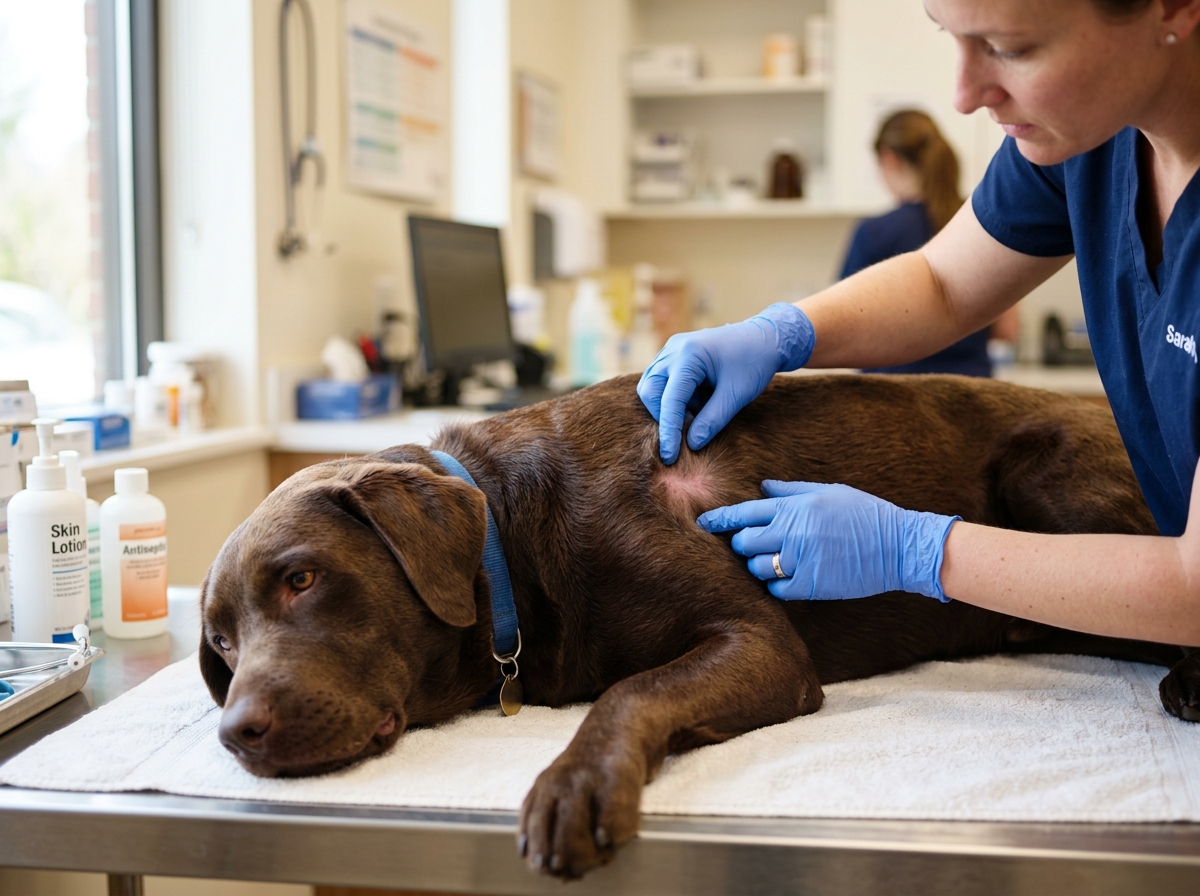
Early diagnosis can prevent complications and improve treatment outcomes.
Treatment Options for Dog Skin Infections
Treatment depends on the underlying cause and severity of the infection.
Common treatments include:
- Medicated shampoos
- Antibiotics for bacterial infections
- Antifungal medications for yeast infections
- Anti-inflammatory medications
- Allergy management plans
- Parasite control treatments
Always follow your veterinarian’s recommendations and complete prescribed medications.
How to Prevent Skin Infections in Dogs
Preventive care plays a vital role in maintaining healthy skin.
Regular Grooming
Brush your dog frequently and keep the coat clean and dry.
Proper Nutrition
Feed a balanced diet rich in essential fatty acids, vitamins, and minerals.
Parasite Prevention
Use veterinarian-approved flea and tick prevention products year-round.
Routine Skin Checks
Inspect your dog’s skin weekly for redness, bumps, or unusual changes.
Manage Allergies
Work with your veterinarian to identify and control allergy triggers.
Final Thoughts
Understanding dog skin infection symptoms can help you identify problems before they become severe. Common signs include itching, redness, hair loss, unpleasant odors, scabs, and skin discoloration. Prompt veterinary care and proper preventive measures can keep your dog’s skin healthy and comfortable.
If you notice any unusual changes in your dog’s skin or behavior, schedule a veterinary examination as soon as possible. Early treatment often leads to faster recovery and better overall health for your furry friend.