Dogs rely heavily on their vision to explore the world around them. When an eye infection develops, it can cause discomfort, pain, and even serious vision problems if left untreated. Recognizing dog eye infection symptoms early can help you seek timely veterinary care and prevent complications.
In this guide, we’ll cover the most common symptoms of eye infections in dogs, possible causes, treatment options, and when to contact your veterinarian.
What Is a Dog Eye Infection?
A dog eye infection occurs when bacteria, viruses, fungi, or other irritants affect the eye or surrounding tissues. Eye infections can develop in one or both eyes and may range from mild irritation to severe conditions that threaten your dog’s eyesight.
Certain breeds with prominent eyes, such as Pugs, Bulldogs, and Shih Tzus, may be more prone to eye problems than others.
Common Dog Eye Infection Symptoms
The symptoms of an eye infection can vary depending on the underlying cause. However, the following signs are among the most common:
Redness and Inflammation
One of the earliest signs of an eye infection is redness in the white part of the eye. The surrounding tissues may also appear swollen or inflamed.
📷 Image Suggestion: Dog with visibly red and irritated eyes
Excessive Tearing or Eye Discharge
Healthy dogs may produce a small amount of eye discharge, but excessive tearing or unusual discharge can indicate an infection.
Discharge may appear:
- Clear and watery
- Yellow or green
- Thick and mucus-like
Yellow or green discharge is often associated with bacterial infections.
Eye Discharge and Swelling

If your dog frequently has crusty buildup around the eyes or swollen eyelids, an infection may be developing.
Squinting or Keeping the Eye Closed
Dogs experiencing eye pain often squint or keep the affected eye partially closed. This behavior helps reduce discomfort caused by irritation, inflammation, or sensitivity to light.
Frequent Pawing or Rubbing the Eyes
If your dog repeatedly rubs its face against furniture, carpets, or uses its paws to scratch the eyes, it could be trying to relieve irritation caused by an infection.
Cloudy Eyes
A cloudy or hazy appearance in the eye can signal a more serious eye condition. While not always caused by infection, cloudiness should never be ignored.
Sensitivity to Light
Dogs with eye infections may avoid bright areas or appear uncomfortable in sunlight due to increased light sensitivity.
Causes of Eye Infections in Dogs
Several factors can contribute to eye infections, including:
Bacterial Infections
Bacteria are one of the most common causes of canine eye infections. These infections often produce thick yellow or green discharge.
Viral Infections
Certain viruses can affect the eyes and lead to inflammation, redness, and discharge.
Allergies
Environmental allergens such as pollen, dust, and mold can irritate the eyes and increase the risk of secondary infections.
Foreign Objects
Grass seeds, dirt, dust, and other debris can become trapped in the eye, causing irritation and infection.
Dry Eye Syndrome
Dogs with insufficient tear production are more susceptible to infections because tears help protect the eye from harmful microorganisms.
When an Eye Infection Becomes Serious
Some symptoms require immediate veterinary attention:
- Severe swelling
- Thick green discharge
- Sudden vision changes
- Cloudy eyes
- Persistent pain
- Bleeding from the eye
- Inability to open the eye
Prompt treatment can help prevent permanent eye damage.
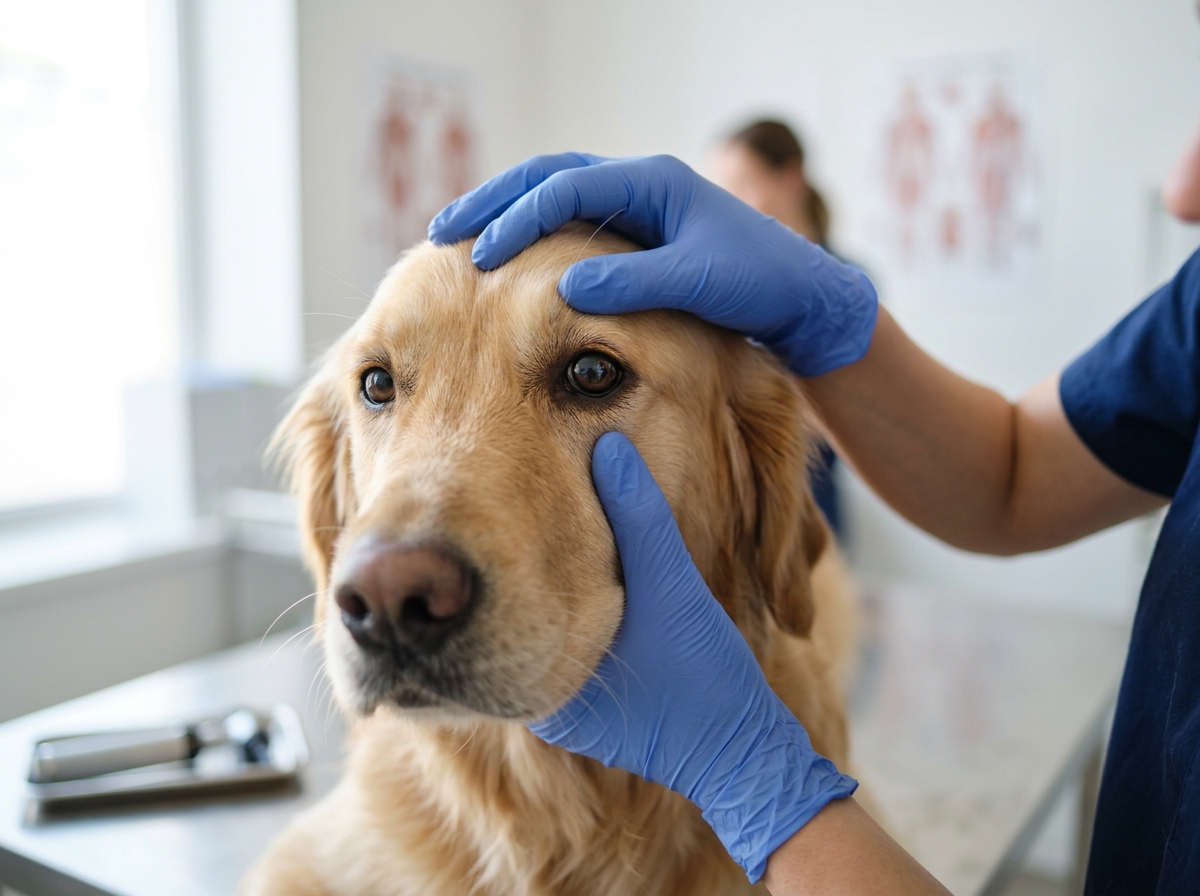
How Veterinarians Diagnose Eye Infections
A veterinarian may perform several tests, including:
- Physical eye examination
- Fluorescein staining to check for corneal ulcers
- Tear production tests
- Eye pressure measurements
- Laboratory analysis of eye discharge
These tests help determine the exact cause and appropriate treatment plan.
Treatment Options for Dog Eye Infections
Treatment depends on the underlying cause but may include:
Antibiotic Eye Drops
Used to treat bacterial infections and reduce inflammation.
Antiviral Medications
Prescribed when viral infections are identified.
Eye Cleaning Solutions
Veterinarian-approved eye cleansers can help remove discharge and debris.
Anti-Inflammatory Medications
These medications help reduce swelling and discomfort.
Surgery
In rare cases involving severe eye damage or structural abnormalities, surgery may be necessary.
Can Dog Eye Infections Be Prevented?
While not all infections can be prevented, these tips can reduce your dog’s risk:
- Keep the eye area clean.
- Trim hair around the eyes when necessary.
- Avoid exposure to irritants such as smoke and dust.
- Schedule regular veterinary checkups.
- Address allergies promptly.
- Monitor for early signs of eye problems.
Frequently Asked Questions
Can a dog eye infection heal on its own?
Some mild irritations may improve without treatment, but true eye infections generally require veterinary evaluation and treatment to prevent complications.
Are dog eye infections contagious?
Certain viral and bacterial infections can spread to other dogs. Proper hygiene and isolation may be recommended depending on the diagnosis.
How long does it take for a dog eye infection to heal?
Recovery time varies depending on the cause and severity. Mild infections may improve within a few days, while more serious cases can require several weeks of treatment.
Final Thoughts
Dog eye infection symptoms should never be ignored. Redness, discharge, swelling, squinting, and excessive rubbing are all signs that something may be wrong. Early diagnosis and treatment can protect your dog’s vision and ensure a faster recovery. If you notice any unusual changes in your dog’s eyes, contact your veterinarian as soon as possible for a proper evaluation.